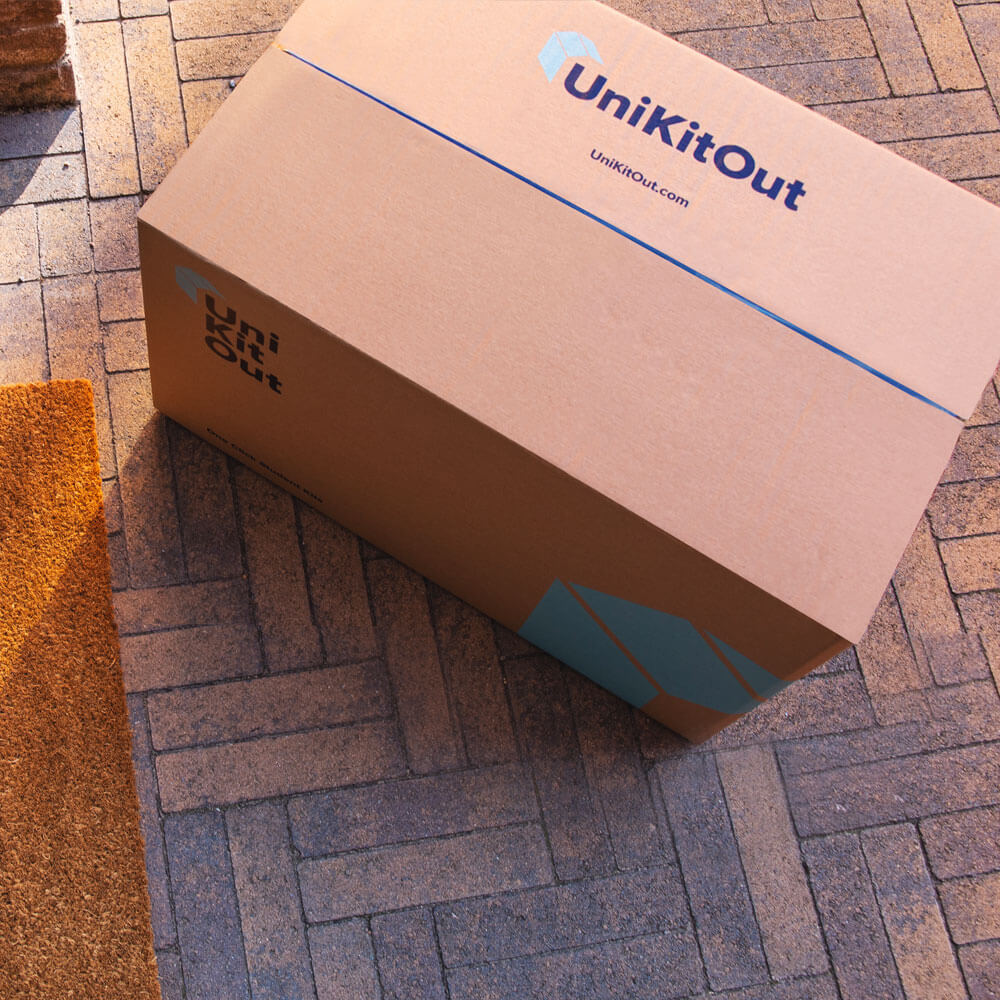












Your kit is sorted. Kettle, bedding, the pan you'll use for absolutely everything. That's the easy part, and UniKitOut have made it easier still.
The harder part arrives about six weeks later, when someone in your flat says "so are we all living together next year?" and everyone nods, because saying anything else in that moment is genuinely awkward.
I've spent the last few years building an app for students finding housemates and houses, which mostly means I've heard a lot of stories about how this goes wrong. Here's what's actually worth knowing.

Don't panic in October
Somebody in your halls will be convinced every decent house is gone by half term. They will say it with real confidence. They are wrong.
The student letting cycle has shifted later over the last couple of years. October and November are thinner than they used to be, and January to March is busier than it was. You have more time than the panic suggests, and the people who sign in week four are usually the ones who regret it by March.
Pick the people before you pick the house
Most bad student houses aren't bad houses. They're perfectly good houses with the wrong four people in them, because the group formed by accident out of whoever happened to be standing nearby in freshers' week.
Proximity is not compatibility. The people on your corridor are the people you met first, not necessarily the people you want to share a bathroom and a bank transfer with for twelve months.
This is the whole reason we built roome. You can see who else is heading to your university, work out who you'd actually get on with before anyone commits to anything, and sort the house from there. It's free, and if you're at one of our seven partner universities there's a good chance you're already set up on it.
Be honest about how you actually live
Not "are you tidy" - everyone says yes to that. Ask the real questions. What time do you go to bed in the week? Do you cook or do you order in? Are you having people back on a Tuesday? Do you want somewhere quiet in June when everyone's revising?
Getting this wrong is the most common reason a house goes sour. We put a vibe score into roome for exactly this, because most people are far too polite to ask any of it out loud.
Have the money conversation before you view anything
Agree the ceiling as a group first. Per person, per week, and whether that includes bills. "Around £150" means different things to different people, and one of you is quietly assuming it covers the internet.
Then work out how you'll actually pay each other, because that's the bit that causes arguments in February rather than September. There's a proper guide to splitting bills with housemates here if you want the detail.

Sort your guarantor now, not the week you sign
This is the one that catches people out, and it catches international students hardest. Most letting agents want a UK-based guarantor earning a multiple of the annual rent, and they want it before they'll hold the property for you.
Finding that out on the day you're trying to sign is horrible. Ask your agent what they need in October and deal with it then. What a guarantor is and what happens if you haven't got one is worth ten minutes now to save you a bad week later.
Go and see it. All of you.
Photos are taken with a wide lens on the brightest day of the year. Go in person, take the whole group, and go in the evening if you can, so you find out what the road sounds like at 9pm.
UniKitOut's own 5 things to check when viewing student accommodation covers the checklist better than I could, so I won't repeat it.
Understand what you're all signing
Most student contracts are joint and several. In plain English: if one housemate stops paying, the rest of you owe it. That's not a reason to panic, but it is a reason to know exactly who you're signing with. Which takes you back to point 2.
Then you can plug the kettle in.
